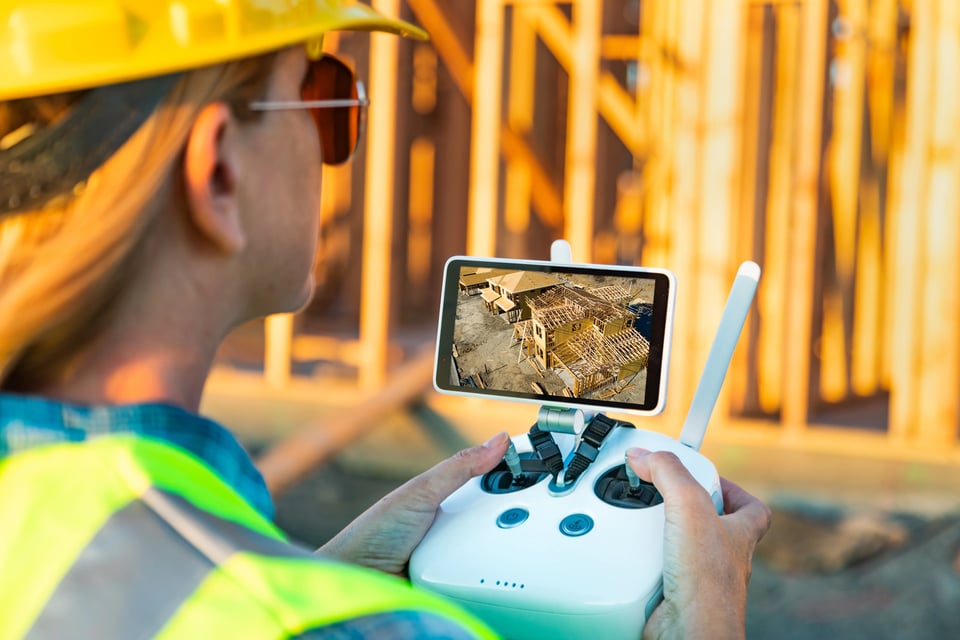
Best takeoff software for construction should do more than measure a PDF.
It should help estimators turn drawings into reliable quantities, connect those quantities with pricing, manage drawing revisions, and prepare bids without moving the same data through several spreadsheets.
Construction takeoff software has also changed in 2026.
Traditional point-and-click tools still have a place, but AI-assisted measurement, automated symbol recognition, cloud collaboration, 2D and 3D quantities, and connected estimating workflows are becoming standard buying considerations.
Below are 17 options worth considering when looking for the best takeoff software for construction 2026.
What Makes Good Construction Takeoff Software in 2026?
Right software reduces measurement work without taking control away from the estimator.
Best platform should handle area, length, volume, and count measurements while keeping quantities traceable to the drawing.
For larger teams, revision management, shared plan access, standardized assemblies, permissions, and estimating integrations matter just as much as measurement speed.
AI is also becoming practical.
Several current platforms can recognize symbols, measure areas, identify walls, compare revisions, or prepare a first-pass takeoff.
That makes the best AI takeoff software for construction useful for repetitive work, but experienced estimators should still validate scope, exclusions, drawing quality, and unusual conditions before pricing the bid.
1. STACK
Best for: Cloud-based takeoff and estimating
STACK is one of the strongest choices for contractors who want takeoff and estimating in the same cloud environment.
Teams can measure area, linear footage, counts, arcs, pitched areas, and volume while keeping plans and specifications organized centrally.
Cloud takeoff, estimating, document control, revision tools, and team collaboration live in one workflow.
For general contractors and specialty contractors that manage multiple active bids, STACK is a strong all-around option.
2. Togal.AI
Best for: AI-assisted commercial construction takeoffs
Togal.AI uses AI to detect, measure, count, compare, and label elements from construction drawings.
It is cloud-based, supports multiple estimators working on the same takeoff, and can send quantity data into Excel and connected estimating platforms.
AI handles much of the initial quantity extraction while the estimator reviews and adjusts the results.
For teams researching the best takeoff software for commercial construction, Togal deserves serious consideration because its workflow is built around high-volume preconstruction estimating.
3. PlanSwift
Best for: Estimators who want detailed control over takeoff and pricing
PlanSwift remains a major name in digital takeoff.
It supports area, length, count, material, labor, waste, and assembly-based estimating from PDF, CAD, and image plans.
Its newer Takeoff BOOST tools add AI-powered Auto Takeoff, Auto Count, Auto Scale, and Auto Bookmark capabilities.
Deep manual estimating control combined with newer AI-assisted takeoff features.
PlanSwift is useful for experienced estimators who want detailed control over how quantities become priced assemblies.
4. Procore Takeoff
Best for: Contractors already using Procore
Procore connects digital takeoff with estimating and project budgets.
It supports 2D drawings, 3D models, area and linear measurement, volume calculations, AI auto-count, drawing overlays, cost catalogs, and downstream project financial workflows.
Takeoff information stays connected from preconstruction into budgeting and project execution.
For larger contractors already operating in Procore, adding another isolated takeoff application may create unnecessary data movement.
5. Autodesk Forma Takeoff
Best for: BIM-driven preconstruction teams
Autodesk construction takeoff solution combines 2D drawing takeoffs with quantities generated from 3D building models.
Estimators can measure linear items, areas, and counts while also extracting quantities from BIM information.
Strong connection between 2D documentation, 3D models, and Autodesk-based project workflows.
It is one of the stronger choices for design-build contractors and preconstruction teams already working with Autodesk products.
6. Bluebeam Revu
Best for: PDF takeoffs, drawing review, and markup-heavy workflows
Bluebeam Revu is widely used for construction PDF management, but its measurement tools also make it useful for quantity takeoffs.
Estimators can calibrate drawings, measure quantities, count repeated items, use custom toolsets, and organize results through the Markups List.
Excellent drawing markup and document-review capabilities combined with practical takeoff tools.
One limitation for Mac users:
Native Revu 21 desktop application supports Windows, although Bluebeam offers browser-based services separately.
7. On-Screen Takeoff
Best for: Established professional estimating departments
On-Screen Takeoff, or OST, has been used by construction estimators for decades.
It provides condition-based measurements across many trades and now includes Takeoff Boost AI features for automating portions of measurement and counting.
A mature takeoff workflow backed by decades of construction-estimating use.
Its direct relationship with Quick Bid also makes it useful for companies that want quantity takeoffs connected to detailed estimating.
8. Kreo
Best for: AI takeoff with built-in estimating
Kreo is cloud-based software that combines automated takeoff, manual measurement, estimating, reporting, and drawing analysis.
It can process PDF, CAD, and image files, identify drawing elements, build quantities, and turn those quantities into cost plans.
AI-assisted quantity extraction and estimating exist within the same web application.
Kreo is also a strong candidate for companies seeking the best construction takeoff software for Mac, because the platform is browser-based rather than dependent on a Windows-only desktop application.
9. Beam AI
Best for: Contractors who want takeoff work automated for them
Beam AI takes a different approach from traditional DIY software.
Contractors can upload plans and specifications, define the required scope, and receive AI-generated takeoffs that also pass through quality review.
A done-for-you takeoff model reduces the amount of estimator time spent tracing drawings.
This approach can suit commercial contractors whose main bottleneck is estimator capacity rather than software capability.
10. Buildxact
Best for: Residential builders and remodelers
Buildxact combines digital takeoffs with estimating, quoting, scheduling, purchasing, and project management.
Its Blu Takeoff Assistant can scale plans, name plan pages, and measure floor areas before an estimator reviews the results.
Residential estimating continues directly into quoting and project management.
Builders that want fewer disconnected systems may prefer this approach over buying a dedicated takeoff application.
11. Square Takeoff
Best for: Contractors wanting straight forward online takeoffs
Square Takeoff runs online and supports digital blueprint measurement without requiring a traditional desktop installation.
The vendor supports both Windows and Mac access.
Straightforward web-based takeoffs with broad device accessibility.
It is worth evaluating for contractors who need the best construction software for digital takeoffs and measurement without the complexity of a large enterprise platform.
12. Houzz Pro Takeoffs
Best for: Home builders, remodelers, and design-build businesses
Houzz Pro lets contractors upload PDF plans, measure areas and lengths, count items, and move completed quantities directly into estimates.
Its current platform also includes AI-assisted area, length, count, and symbol-recognition features.
Takeoff, estimating, proposal creation, client management, and project management sit inside one residential construction platform.
It also works through web-based workflows on both Mac and Windows.
13. Trimble Accubid with LiveCount
Best for: Commercial electrical contractors
Trimble Accubid is purpose-built for electrical and industrial estimating.
Used with LiveCount, estimators can connect graphical plan takeoffs directly with assemblies, labor, material databases, counts, and bid summaries.
Deep electrical estimating data connected directly to graphical takeoff.
For electrical contractors, a specialist platform can provide more useful estimating logic than a general-purpose blueprint measurement tool.
14. ConEst IntelliBid with SureCount
Best for: Electrical, low-voltage, datacom, and solar estimating
ConEst IntelliBid includes an extensive electrical material and assembly database, labor calculations, supplier pricing integrations, and estimating controls.
SureCount connects plan takeoffs with IntelliBid so quantities, materials, labor, drawings, and phases stay synchronized.
Electrical takeoff and estimating are built around trade-specific materials, labor units, and assemblies.
This makes it especially useful for contractors pricing complex commercial electrical scopes.
15. AGTEK Gradework
Best for: Earthwork, excavation, sitework, and heavy civil
AGTEK Gradework is not a general building takeoff tool.
It focuses on civil estimating, including earthwork volumes, cut-and-fill analysis, 3D modeling, CAD/PDF data, utility work, drone information, and machine-control workflows.
Specialized earthwork quantities connect estimating with 3D site planning and field operations.
Civil contractors should evaluate takeoff software differently from building contractors because terrain, excavation, haul quantities, and surfaces create different requirements.
16. RIB CostX
Best for: Quantity surveyors and complex commercial estimating
RIB CostX combines 2D takeoff, 3D/BIM quantities, estimating spreadsheets, revision tracking, reporting, and cost databases.
Its workbooks can remain linked to drawings so design changes can flow into the estimate without rebuilding the quantity structure from scratch.
Strong connection between drawing quantities, BIM information, estimating, revision control, and professional cost reporting.
For sophisticated commercial preconstruction, this is one of the strongest options in the list.
17. Active Takeoff
Best Takeoff Software for Commerical Construction
Active Takeoff focuses on straightforward on-screen measurement rather than enterprise-level complexity.
Contractors can import PDFs or images, measure areas, perimeters and volumes, add costs and markups, and export estimating results to Excel or PDF.
A relatively simple takeoff workflow with estimating built around familiar point-and-click measurement.
It can work well for smaller contractors that do not need extensive BIM, AI, or enterprise preconstruction functionality.
What Is the Best AI Takeoff Software for Construction?
Togal.AI, Kreo, Beam AI, PlanSwift, Procore, Buildxact, and newer On-Screen Takeoff tools are among the strongest AI-focused options in 2026.
They do not all use AI in the same way.
Togal.AI focuses heavily on automated drawing analysis and quantity extraction.
Beam AI offers both automated and reviewed takeoff workflows.
Kreo combines AI takeoff with estimating. PlanSwift uses AI to accelerate measuring, counting, scaling, and plan navigation.
Procore adds symbol recognition within a broader preconstruction platform.
Buildxact applies AI primarily around residential takeoffs and estimating.
Best choice depends on whether your goal is reducing clicks, outsourcing quantity extraction, connecting quantities with estimating, or standardizing a larger preconstruction process.
How Construction Estimating Software Integrates With Takeoff Tools
Most useful integration sends quantities into the estimate without forcing estimators to enter the same information twice.
Takeoff answers, “How much work is shown on the drawings?” Estimating adds material rates, labor, equipment, waste, overhead, profit, and other costs.
In an integrated workflow, the estimator measures a wall, slab, fixture, pipe run, or floor area.
The takeoff system then links that quantity to an assembly or cost item.
Changes to the drawing quantity can update the estimate instead of requiring another spreadsheet edit.
Procore, PlanSwift, STACK, Houzz Pro, CostX, Buildxact, Trimble Accubid, and ConEst all provide different versions of this takeoff-to-estimate workflow.
This integration is valuable when drawing revisions arrive close to bid day.
What Is the Best Takeoff Software for Commercial Construction?
Commercial contractors should prioritize revision control, collaboration, assemblies, large drawing sets, and estimating integration.
For general commercial construction, STACK, Togal.AI, Procore, Autodesk Forma Takeoff, RIB CostX, PlanSwift, Bluebeam, and On-Screen Takeoff are the strongest candidates on this list.
Best takeoff software for commercial construction will depend heavily on the existing technology stack.
Procore contractor may gain more from Procore Takeoff than from adding another system.
An Autodesk-heavy design-build team may prefer Autodesk Forma Takeoff.
A GC trying to increase bid volume may find Togal.AI or Beam AI more valuable.
What Is the Best Blueprint Takeoff Software for Construction Bidding?
Choose software that makes every quantity traceable back to the blueprint.
Best blueprint takeoff software for construction bidding should provide clear visual measurements, calibrated scales, revision comparison, quantity summaries, and exports that estimators can audit before submitting a bid.
PlanSwift, Bluebeam, STACK, On-Screen Takeoff, Active Takeoff, Square Takeoff, and CostX all provide strong blueprint-centered workflows.
Important point is not how quickly the software produces a number. It is whether your estimator can explain where that number came from.
Best Construction Takeoff Software for Preconstruction Teams
Preconstruction teams need more than measurement tools.
They need consistent quantity data across every bid.
Best construction takeoff software for preconstruction should support multiple estimators, standardized assemblies or classifications, drawing revisions, cost structures, collaboration, and repeatable reporting.
For larger preconstruction departments, Procore, STACK, Togal.AI, Autodesk Forma Takeoff, CostX, and On-Screen Takeoff stand out because they address team workflows as well as individual takeoffs.
Final Recommendation - Best Software for Construction Takeoffs
Do not choose takeoff software based only on which product measures drawings fastest.
Choose the system that fits the way your company bids work.
For cloud takeoff and estimating, start with STACK.
For AI-heavy commercial workflows, evaluate Togal.AI, Kreo, and Beam AI.
For detailed estimator control, PlanSwift and On-Screen Takeoff remain important options.
Procore and Autodesk are stronger when takeoff needs to connect with a larger construction technology environment.
Residential builders should consider Buildxact or Houzz Pro.
Electrical contractors should look closely at Trimble Accubid or ConEst.
Heavy civil contractors should evaluate AGTEK. Quantity surveyors and complex commercial estimating teams should consider RIB CostX.
Best takeoff software for construction is ultimately the platform that improves quantity accuracy, reduces duplicate work, handles revisions clearly, and gives estimators more time to review scope and pricing before bid day.
Relevant Guides
How Can i Use AI to Automate Prior Authorization Calls
Is AI Marketing Automation Affordable for Small Businesses