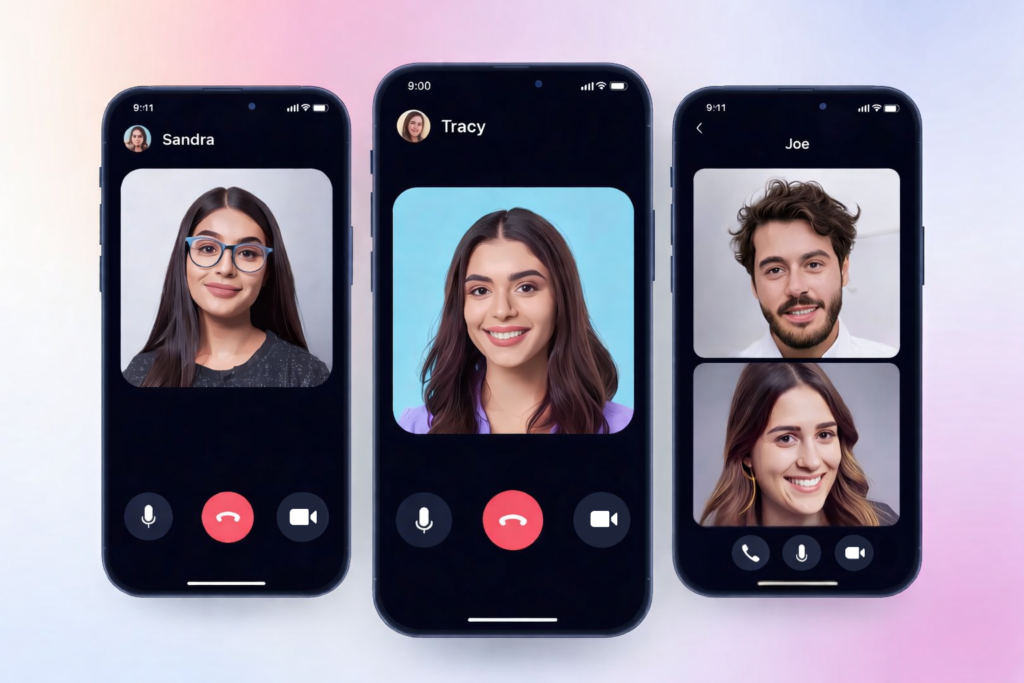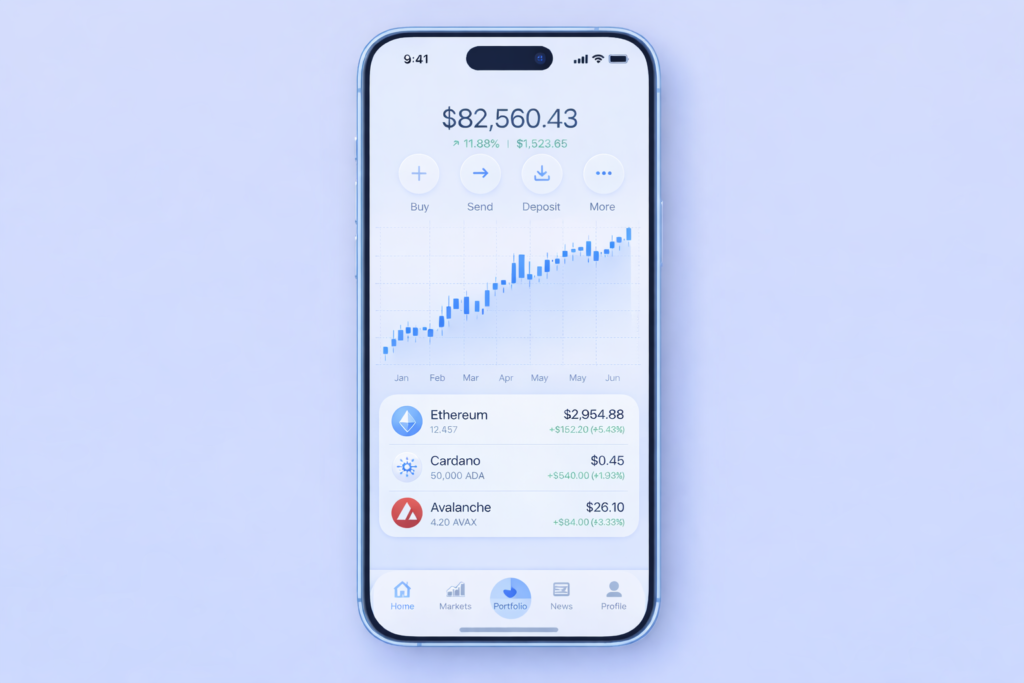
Web3 iOS App Development
Web3 iOS app development is redefining how mobile applications are created and experienced on Apple devices. Traditional iOS apps rely on centralized servers and controlled data systems. In contrast, web3 iOS app development enables fully decentralized applications where users own their data, control their identities, and interact directly with blockchain networks. Adoption of Web3 apps development is growing rapidly as more companies seek security, transparency, and user empowerment in their mobile products. With the rise of decentralized finance, tokenized assets, and next generation cryptographic services, web3 ios technologies are driving a new class of mobile software. In this guide, you will learn what Web3 means for Apple platforms, how web3 in iOS apps works, which tools and frameworks to choose, and the strategic benefits and challenges of building decentralized mobile applications. Understanding this ecosystem will help you build next generation mobile experiences that attract users and deliver long term value. Section 1: What is Web3 iOS App Development? Web3 iOS app development refers to building mobile applications for iPhone and iPad that integrate decentralized technologies such as blockchain networks, smart contracts, and peer to peer authentication. These apps offer a shift away from centralized infrastructure to models where users control their own data and cryptographic keys. At its core, Web3 is about decentralization. Traditional apps store user accounts and content on central servers owned by companies. Web3 apps connect to distributed blockchain nodes where data is shared securely across networks that do not require a single central authority. This allows mobile applications to provide greater transparency, stronger security, and global interoperability for digital assets and identity services. Web3 in iOS systems typically involves integrating wallets, blockchain networking libraries, smart contract calls, and decentralized storage with native UI components in Swift and Xcode. Instead of relying on email passwords or database authentication, users can authenticate and sign transactions using decentralized wallet credentials. Section 2: Why Web3 Matters for iOS Apps Understanding why Web3 matters starts from the contrast between how data is managed in traditional apps versus decentralized systems. User Ownership of Data Web3-based applications give users complete ownership and control of their digital assets and personal information. Centralized platforms often collect and manage user data on private servers. Decentralized design puts the user in control of their keys and access rights, enabling stronger privacy and user agency. Enhanced Security and Trust Blockchain technologies provide secured transaction validation without intermediaries. Smart contracts automate business logic and record confirmed activity in immutable ledgers, protecting against fraud and unauthorized manipulation. This increases trust for financial services, digital rights platforms, and identity verification flows. New Revenue Models Web3 iOS applications create new ways to monetize products and services, including token gating, on-chain payments, NFT marketplaces, and decentralized finance modules built directly into the user experience. These features unlock revenue streams unavailable in traditional models. Decentralized Identity and Authentication Web3 apps can authenticate users using decentralized identity schemes that eliminate the need for usernames and passwords. This reduces risk while improving user experience, especially for mobile services requiring frequent authentication. Section 3: Core Components of Web3 iOS Applications Building Web3 enabled apps on iOS requires understanding the main layers and functions of decentralized technologies. Blockchain Networks Web3 apps connect to blockchain networks such as Ethereum, Solana, or layer 2 solutions. These networks act as decentralized backends where transactions can be verified and recorded across distributed nodes. Network providers like Alchemy and Infura enable secure connections without running full nodes. Wallet Integration Wallets are central to Web3 authentication and transactions. Users connect wallets like WalletConnect or MetaMask Mobile to authenticate and sign transactions. Integrating wallets into iOS apps enables token transfers, balance checks, and smart contract interactions securely. Smart Contracts Smart contracts are self executing rules that run on blockchain networks. These contracts handle business logic for token exchanges, decentralized finance protocols, and governance features without manual server control. Decentralized Storage Applications often use decentralized storage systems like IPFS or Filecoin to store data in distributed networks instead of centralized servers. This improves resilience and data persistence across networks. Integration Libraries Web3 libraries such as Web3.swift, EthereumKit, and native SDKs allow iOS apps to communicate with blockchain networks, handle contracts, and update UI based on decentralized state. Developers use these libraries to connect smart contract data with native app components. Section 4: Tools and Frameworks for Web3 iOS App Development Choosing the right stack is critical for quality delivery and performance. Swift and Xcode Swift is the official language for iOS app development, and Xcode is the primary IDE. These tools are essential for creating native applications with responsive UI, secure data handling, and compatibility with Apple guidelines. Web3 Libraries Web3.swift and EthereumKit provide native integration with Ethereum and other networks. WalletConnect integrations allow secure wallet connections using deep links or QR scans. These libraries let developers build core decentralized features for wallets and contracts. Blockchain Node Providers Services like Alchemy, Infura, and Moralis simplify connection to blockchain networks without running your own node infrastructure. They provide APIs for data reads, event subscriptions, and transaction broadcasting. Smart Contract Tools Tools such as Remix IDE, Hardhat, and Ganache assist developers in writing, testing, and deploying smart contracts before linking them to iOS applications. Decentralized Oracles and Data Indexing Chainlink enables external data integration for reliable real world data. The Graph indexes blockchain data for efficient queries. Such tools connect off chain data to on chain logic in web3 applications. Section 5: Step by Step Web3 iOS App Development Process This section explains a general workflow for building web3 iOS applications from planning to deployment. Step 1: Define Objectives and Business Logic Outline what decentralized features your app will provide. Identify whether you need crypto payments, wallet support, token based access, or smart contract automation. Step 2: Choose a Blockchain Network Select a blockchain network based on cost, speed, and ecosystem needs. Ethereum and layer 2 solutions remain popular for token standards and broad tool support. Step 3: Design Wallet Interactions Implement wallet connections using SDKs that